
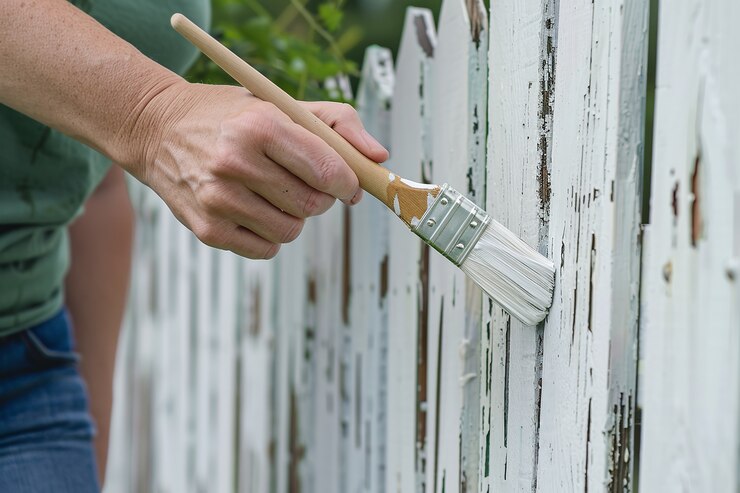
When it comes to maintaining the exterior of your home, one of the most impactful improvements you can make is painting your fence. A freshly painted fence not only enhances the visual appeal of your property but also provides protection against the elements. However, did you know that the weather plays a crucial role in the success of your fence painting project? In Ireland, where the weather can change unexpectedly, understanding the best conditions for painting is vital for achieving a smooth, long-lasting finish.
In this blog, we’ll explore how different weather conditions affect fence painting and offer tips on when to schedule your fence painting project for optimal results.
Impact of Weather on Fence Painting
1. Rain and Moisture
Rain is one of the biggest enemies of fence painting. When it rains, the moisture in the air can prevent the paint from adhering to the surface properly, which can lead to bubbling or peeling once the paint dries. Additionally, if the fence isn’t fully dry before you apply paint, moisture can get trapped underneath the surface, causing the paint to lift and peel off after a short period.
Even after the rain stops, the dampness can linger in the wood or surface, making it harder for the paint to bond. For the best results, ensure the fence is completely dry and moisture-free before starting the painting process.
2. Heat and Sun Exposure
While it might seem like sunny, warm days would be ideal for painting, excessive heat can actually cause problems. In direct sunlight, the paint can dry too quickly, making it difficult to apply a smooth, even layer. This rapid drying can cause the paint to crack, peel, or fade faster, reducing its longevity.
Additionally, the sun can cause certain types of paint to lose their vibrancy over time, especially if you’re using bright or deep colors. It’s essential to work in mild temperatures where the paint has enough time to set properly but isn’t exposed to harsh sun exposure.
3. Cold Temperatures
Cold weather can be just as problematic as extreme heat. If the temperature is too low, the paint may not dry properly or at all. Paint typically requires a certain temperature range to cure and adhere effectively—usually between 10°C to 25°C. Anything below this, and the paint may remain tacky or even freeze, leading to an uneven finish.
Additionally, cold temperatures can prolong the drying time, making it a longer process to complete your fence painting. If you’re working in colder months, it’s essential to monitor both the temperature and the time required for proper drying.
4. Wind
Wind might not seem like a major factor when painting a fence, but it can significantly impact the quality of your work. Strong winds can cause paint splatter, reduce your control over the paintbrush, and even blow dirt and debris onto the freshly painted surface. This can result in an uneven finish, with bits of dust or leaves getting trapped in the paint.
It’s always best to paint on a calm day when the wind is minimal. If you’re working in a particularly windy area, consider using tarps or screens to protect the area from debris.
Choosing the Best Time of Year to Paint a Fence
In Ireland, where weather conditions can be unpredictable, it’s crucial to choose the best time to paint your fence to ensure lasting results.
Optimal Temperature Ranges
Fence painting should ideally be done when temperatures are between 10°C and 25°C. This range provides the perfect balance for the paint to adhere properly and dry at the right speed. If it’s too hot, the paint may dry too quickly, and if it’s too cold, the paint may fail to dry altogether.
Best Seasons for Fence Painting
In Ireland, the best time to paint your fence is usually in the spring or early autumn. During these seasons, the temperatures are mild, and there’s less chance of rain. Spring provides enough warmth for a fast drying time, while autumn offers cooler weather that prevents paint from drying too quickly. Both seasons also allow you to avoid the intense heat of summer or the harsh cold of winter.
Rain and Humidity Considerations
Checking the weather forecast is an essential step before embarking on a fence painting project. Aim to pick a stretch of dry, calm days with low humidity. Humid weather can slow down the drying process and cause paint to take longer to set. If you’re painting in the spring or autumn, keep a close eye on rain predictions so that you can avoid applying paint during or right after a storm.
Tips for Dealing with Unpredictable Weather
Although the Irish weather can be unpredictable, there are ways to mitigate potential challenges and ensure that your fence painting job goes smoothly.
- Weather-Resistant Paint: Opt for high-quality, weather-resistant paints that are designed to withstand fluctuating temperatures and moisture levels. These paints cure faster and provide a more durable finish.
- Cover the Fence: If you’re caught in an unexpected rain shower, consider covering the fence with a tarp to protect the freshly painted surface. This helps avoid rainwater from spoiling the paint job.
- Work in Smaller Sections: To avoid problems with drying, paint in smaller sections and ensure each area has time to dry properly before moving on to the next.
Conclusion
Weather is a crucial factor to consider when planning your fence painting project. The right conditions can ensure that the paint bonds properly, dries evenly, and stays intact for years to come. By understanding how different weather conditions affect your paint and choosing the best time to paint, you can achieve a beautiful, long-lasting finish.
If you’re uncertain about the best time to paint or need professional assistance, Signature Painter is here to help. As experts in exterior painting, we can guide you through the process and ensure that your fence looks stunning year-round. Contact us today for a consultation and let us bring a fresh new look to your property.
 Signature Painters